In brief

Repeatable production needs a defined component and fixture range, an approved leak-test method and acceptance limits. Assess loading, connection and unloading without changing the required test conditions, and define the evidence needed before a component enters its release or reject route.

Plan good, failed and interrupted cases together. The variation guide helps select representative components and distinguish normal variation from an unresolved test outcome.

On the production floor

Plan for the conditions your team handles every day — Robotic Leak Testing

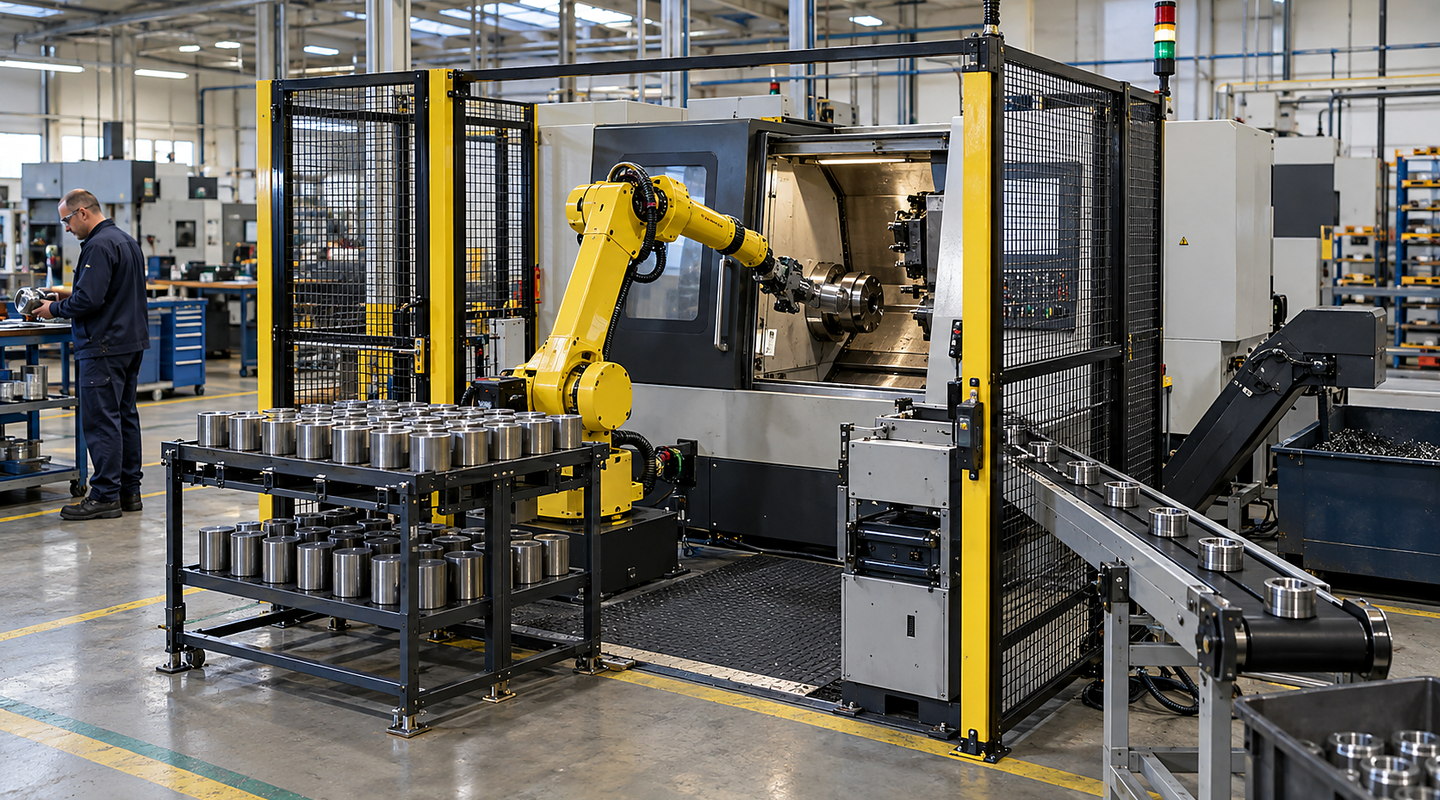
Plan robotic leak testing around your parts, process, cycle time, tooling, recovery and acceptance criteria. Discuss the highest-risk feasibility questions with Oxford Industrial Automation. For repeatable production using robot-loaded leak-test stations, the deciding details include part, product and process variation for robot-loaded leak-test stations, required cycle and production pattern and run-off criteria and production evidence.

Discuss your application
Your application

Details worth resolving early for repeatable production using robot-loaded leak-test stations

Question 1

Part, Product and Process Variation for Robot-Loaded Leak-Test Stations

Identify the component and fixture drawings, revisions, approved test method and acceptance limits. Include representative variation that could affect loading, connection or unloading, and record the conditions each sample represents.

Question 2

Arrival Pattern and Presentation

Describe how components arrive and the presentation required by the station. Identify the loading and connection conditions to preserve and which difficult presentations need assessment using the actual components.

Question 3

Required Cycle and Production Pattern

State the required complete cycle and production pattern using observed data and credible ranges. Include loading, connection, the approved test, unloading, result routing and relevant waits; do not substitute robot speed for the complete cycle.

Question 4

Tooling, Sensing and Process Interfaces

Provide proposed tooling and station-interface details. Agree how test status and result remain associated with the correct component, what permits unloading and routing, and the response to missing or uncertain information.

Question 5

Operator Access, Recovery and Changeover

Define the response to failed or interrupted tests and who decides the disposition of unresolved components. Include operator, cleaning, maintenance and changeover access in the assessment; do not assume automatic recovery.

Question 6

Run-Off Criteria and Production Evidence

Agree representative good, failed and interrupted cases, the assessed method, repetitions and acceptable results within the approved test requirements. Record component association, routing, reviewer and any unexamined conditions.

Your operating cycle

Plan for more than automatic running

Include replenishment, normal production, planned change, short stops, fault recovery, cleaning and maintenance for repeatable production using robot-loaded leak-test stations. A fast automatic step can still leave your team with a slow or awkward overall process.

Prove the result

Test repeatable production using robot-loaded leak-test stations against representative parts, tooling and difficult cycle conditions

Normal production

Run the agreed product or part mix for repeatable production using robot-loaded leak-test stations at your intended operating pattern.

Difficult conditions

Include credible extremes for part, product and process variation for robot-loaded leak-test stations and arrival pattern and presentation.

Fault and recovery

Agree an assessed method for examining failed, interrupted or uncertain cases within the approved test requirements. Define the required indication, hold, review and resumption conditions without assuming a particular detection or recovery method.

Important limits

Be clear about what the trial has shown

Compare with Retrofit or Flexible Cells Involving Robot-Loaded Leak-Test Stations if that operating pattern is closer to your application.